
Most people use candles at home to create an intimate and relaxing mood. They bring color and warm fragrance inside a room, which improves the overall ambiance. Soaking in a steamy tub surrounded by candles might seem like the best way to unwind after a busy day.
Looking for a new air conditioning system for your home is exciting, but the amount of information that you need to make an informed decision can be overwhelming. One of the most common topics that stump homeowners in the area is and British thermal units (BTUs). You will see this measurement on every cooling system…
The air conditioning unit is one of the most-used appliances in many households, and it can make your home uncomfortable when it’s not functioning properly. However, it gives off various signals when it is malfunctioning. One of the most common signs is strange sounds coming from the unit, but an awful air conditioner smell are also a common signal, and they are pretty hard to ignore.

The REME HALO air purification system is different from all other air purifiers in the way it performs. This system purifies indoor air the same way nature purifies outdoor air. When outdoors, lightning activates hydrogen peroxide, which then cleans the atmosphere to leave a natural smell. The REME HALO purifier follows the same principle to…
The modern air conditioning unit has become a common household item in today’s world, but there was a time when people struggled to deal with high temperature and humidity. They did not have any device that could offer them a convenient and cost-effective method to cool the air.

Learning to conserve energy can be beneficial on many fronts. Apart from saving you money, every little effort towards energy conservation contributes in a big way to environmental conservation when viewed cumulatively on a national level. According to the EPA, America can save up to $600 million in utility costs every year and cut harmful…

Your furnace is one of the most active equipment in your household. As a complex system, it is bound to develop faults in the course of its operation. For homeowners, a gas leak is probably one of the most alarming issues. So you ought to understand the signs of leakages from your furnace. We’ll also…
When the weather gets unbearable, you may turn on your heating and cooling system to regulate the indoor temperature. Each year you use it, it becomes inefficient due to natural wear and tear. Dirty filters can also contribute to your unit becoming inefficient. Regular HVAC maintenance is the only way you can prolong the life of your system.
We all spend a considerable amount of time indoors. However, we often neglect the air quality inside our homes. Of course, the first step to improving an interior environment is having a reliable HVAC system. Your ductwork helps to circulate air from the system into each room to promote comfort throughout the seasons. Over time, a neglected duct system will accumulate an inner lining of dust, pollen, debris and other toxins that recirculate around your house.
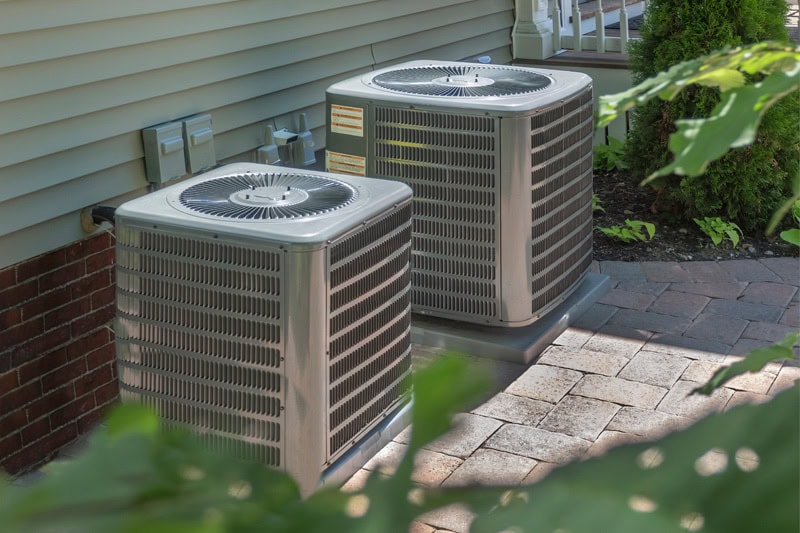
HVAC stands for heating, ventilation, and air conditioning. Most modern homes have an HVAC system. In fact, the U.S. Energy Information Administration estimates that 91% of American homes have a centralized system, and a majority have all three components. Despite accounting for more than half the energy usage in the average home—according to the U.S.…