
Signs You Need to Replace Your Booster Pump
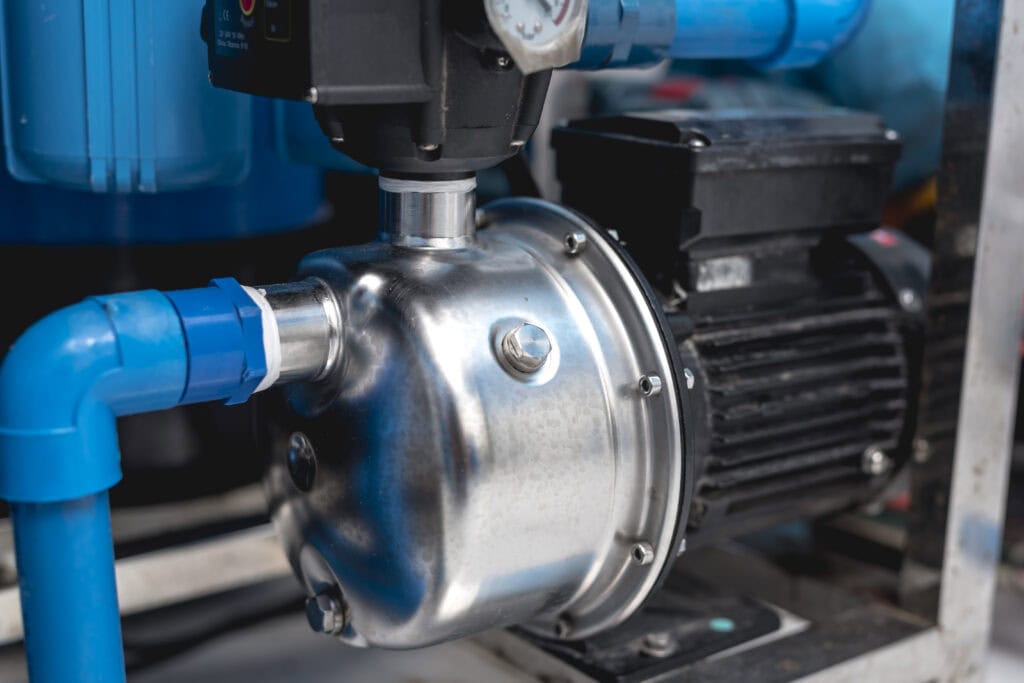
In many parts of Texas, from the rolling hills around Bandera to the coastal plains near Rockport and the sprawling suburbs of San Antonio, consistent water pressure is essential for meeting daily needs. Whether you use city water or a private well, a booster pump helps ensure a strong, steady water flow for showers, irrigation systems, watering livestock, laundry, and other household needs.
But like all mechanical systems, booster pumps wear out over time. Spotting the early signs of failure can save you from extensive damage, costly repairs, and unruly headaches.
Beyer Air Conditioning and Heating has compiled the top tell-tale signs that indicate your booster pump probably needs to be replaced.
- Fluctuating Water Pressure
- Strange Noises Coming From the Pump
- Frequent Cycling On and Off
- Visible Leaks or Moisture Around the Pump
- Age and Frequent Repairs Are Adding Up
- Poor Performance During Peak Usage
When to Replace Your Booster Pump
1. You’re Experiencing Fluctuating Water Pressure
One of the most common—and obvious—signs that a booster pump is struggling is inconsistent water pressure. If you notice strong pressure one moment and weak pressure the next, this may indicate the pump is no longer maintaining a steady flow.
In San Antonio’s varied water supply environment, pressure swings can be common. But if you’ve ruled out supply issues and pressure fluctuations persist over time, your booster pump could be losing efficiency or failing.
Watch for:
- Sudden drops in shower pressure
- Faucet water pressure that varies
- Irrigation zones that don’t deliver evenly
These fluctuations don’t just affect comfort; they also strain fixtures and appliances.
2. Strange Noises Are Coming From the Booster Pump
Healthy booster pumps typically operate with a steady hum. When parts begin to wear, however, you might hear:
- Clanking or rattling
- High-pitched squeals
- Grinding or vibrating sounds
These noises typically indicate internal issues, such as worn bearings, impeller damage, or motor strain, and are difficult to ignore once they begin.
If your pump sounds different than usual, it’s time for a professional to take a look.
3. Your Booster Pump Is Frequent Cycling On and Off
A booster pump that turns on and off rapidly (known as short cycling) is a sign of trouble. This wastes energy, increases wear and tear, and reduces the pump’s lifespan.
Short cycling may be caused by:
- A failing pressure switch
- Blocked sensors
- Leaks in your system
- Incorrect system sizing
For Texas homes with irrigation systems, a pump that won’t stop cycling can also lead to uneven watering and dry spots in the lawn.
4. There Are Visible Leaks or Moisture Around the Booster Pump
Leaks around the pump housing are not only inconvenient but also a red flag.
If water is pooling near the pump, dripping from connections, or escaping from seals, internal components may be failing. Even a slow drip means water is escaping where it shouldn’t, and over time, this can lead to corrosion, electrical issues, and even mold growth.
In San Antonio’s clay-rich soil conditions, moisture problems can quickly escalate into foundation or structural concerns if not addressed promptly.
5. Your Booster Pump Is Old and Needs Frequent Repairs
Once booster pumps are 10–15 years old, they start to fail more regularly. If you find yourself calling for repeated repairs, paying for new seals, switches, or motors every few months, then replacement often becomes the smarter financial choice.
Repair costs quickly add up, and ongoing breakdowns disrupt your daily life. Replacing your booster pump not only ensures functionality but also reliability and efficiency.
6. Poor Performance During Peak Usage
San Antonio homes experience peak water usage in the summer: irrigation systems are running, showers are steaming, kiddie pools are being filled (and refilled), and appliances are churning. If you notice your booster pump can’t handle heavy load periods as it used to, that’s a red flag.
A pump that stalls or slows when demand rises may be weak, worn, or simply underpowered for your household’s needs.
Why Booster Pump Replacement Matters
Ignoring booster pump issues doesn’t just reduce comfort; it can lead to bigger problems:
- Water damage
- Higher utility bills
- Shortened life for fixtures and appliances
- Failure during critical use (like irrigation or firefighting systems)
Proactive replacement ensures reliability and can actually save you money in the long run.
When to Call a Local Booster Pump Professional
If you’re experiencing ongoing water pressure issues, unusual pump noises, or rising utility costs, waiting too long can turn a manageable replacement into an emergency repair. Booster pump failures often occur suddenly, leaving homes without adequate water pressure for showers, appliances, irrigation, or even basic daily tasks.
How a Booster Pump Professional Can Help
A qualified local professional can evaluate your current system, confirm whether replacement is necessary, and recommend the right booster pump for your home’s water demands. This is especially important in South and Central Texas, where factors such as high summer water usage, mineral-rich water, coastal corrosion near Rockport, and elevation changes around Bandera can all impact pump performance and longevity.
How to Choose a Booster Pump Professional
When choosing a contractor, look for a team that:
- Has experience with residential booster pump systems and well applications.
- Understands local water pressure challenges and regional conditions.
- Offers clear recommendations and upfront pricing.
- Can size and install a pump correctly for your home’s needs.
Call the South-Central Booster Pump Experts
Replacing a failing booster pump before it completely breaks down helps protect your plumbing, improves efficiency, and restores consistent water pressure throughout your home.
If you live near San Antonio, Rockport, or Bandera and are noticing signs your booster pump may be nearing the end of its life, scheduling a professional evaluation from Beyer now can save you time, stress, and money in the long run. Call The Beyer Boys at 210-236-0876 or request service online.